Dietary supplements: What do you need to know?

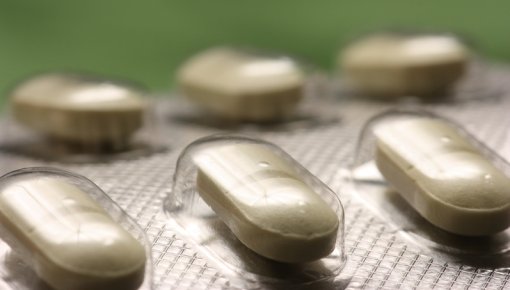
Photo of dietary supplement tablets

Dietary supplements contain vitamins and minerals that also occur naturally in our food, but in a concentrated form and often at a higher dose. Many people hope that that they can improve their health by taking them. It is not widely known that these products usually have no benefit and can even be harmful.

Dietary supplements are available in various forms, including tablets, capsules, powder, fizzy (effervescent) tablets or liquids. They may contain plant substances such as garlic, animal substances like fish oil, or synthetically produced substances such as most vitamins. Dietary supplements may contain the following substances, for instance:

  • Vitamins, such as vitamin C, vitamin E or
  • Provitamins like
  • Vitamin-like substances (such as coenzyme Q10)
  • Minerals and trace elements (such as , magnesium, iron or zinc)
  • Fatty acids (such as omega-3 and omega-6 fatty acids)
  • Protein components (such as L-cysteine and L-carnitine)
  • Carbohydrates (such as the fiber oligofructose)
  • Other ingredients like brewer’s yeast, algae and probiotics

In Germany, all dietary supplements must be labeled as such, and the labels must provide this information:

  • Amount and dose of the ingredients
  • Recommended daily dose that should not be exceeded
  • A reminder that dietary supplements can’t replace a balanced diet
  • A warning to keep the supplements out of the reach of children

What’s the difference between dietary supplements and drugs?

There is a crucial difference between dietary supplements and drugs: Drugs are pharmacologically active substances that have a particular effect on the body and its functions. They are taken to relieve symptoms and illnesses, or as prevention. A , on the other hand, has no pharmacological effect – it can’t, for example, lower blood pressure or blood sugar levels. The manufacturer is not allowed to claim this. If a had such an effect it would have to be approved as a drug.

Dietary supplements are only supposed to supply the body with nutrients. Legally, they are considered foods. For this reason, they have different quality and safety requirements than do chemical or herbal drugs.

Unlike medicines, food supplements are readily available for sale. So they are available in pharmacies as well as in drugstores or supermarkets, for example. Some dietary supplements may be part of (complementary) medical treatment.

Who tests the quality and safety of dietary supplements?

As with other foods, the manufacturers and distributors are responsible for the safety of dietary supplements. All dietary supplements must be registered with the German Federal Office of Consumer Protection and Food Safety (BVL). For dietary supplements, the authorities only record which ingredients are listed on the label. But the official food monitoring employees at the manufacturing site, can take samples of the products to check them.

So dietary supplements do not have to go through the strict testing and quality assurance processes that are required of medicines before they are sold on the market. This means that it is not always possible to be sure that all products have the same quality.

When should you be careful?

If you order online, there is a risk that you may come across dubious suppliers or buy products from abroad will not conform to German food safety laws. Because other countries have different regulations, a product might contain such a large amount of a substance that it would be considered a drug in Germany. It could also contain substances whose use is considered hazardous to your health by German regulators.

Important:

Food supplements are often advertised with general statements like “supports your ” or “promotes healthy joint function.” Most of these claims are unproven, however, and don’t tell us anything about the actual health benefit of taking the product.

Do dietary supplements prevent disease?

Generally, they do not. Many people use dietary supplements in the hope of improving their health and preventing diseases. Some products even claim to help people live longer by protecting them from cardiovascular (heart and circulation) diseases and cancer. This is often justified by the fact that they contain antioxidants – for example vitamins A, C, E, or . In our regular diet, these substances are mainly found in fruit and vegetables.

Antioxidants reduce the amount of free radicals in our cells. These “free radicals” constantly develop wherever oxygen is used to produce energy. Because they can cause damage to the cells, all of the body’s cells have ways to protect themselves from the free radicals. There is some debate as to whether antioxidants can increase this level of protection.

The benefit hasn’t been proven – on the contrary

Studies have looked into whether dietary supplements can actually help us to live longer. The study participants generally took either one or more antioxidants every day – some of them over many years. So they supplied their bodies with significantly higher amounts of these substances than a regular, balanced diet would.

The results disproved the belief that dietary supplements help people live longer. In fact, the analysis of the studies showed that taking vitamins A, E and tended to shorten lives instead. But the studies didn’t state the causes of death. The researchers suspect that the substances increased the risk of cancer and cardiovascular (heart and blood vessel) disease. On the basis of these results, the German Federal Institute for Risk Assessment (BfR) requires all manufacturers of vitamin supplements to limit the amounts of carotenes contained in their products, for example.

Selenium and vitamin C did not increase mortality. But there was also no proof that they prevent earlier death.

Antioxidants do not prevent diseases

So the supplements don’t prolong life – but can they still make you healthier? Studies have not only looked into the effects on how long you live, but also whether dietary supplements can prevent disease. Not enough has been found that the supplements reduce the risk of diseases such as cancer, cardiovascular (heart and circulation) disease or infections. The research has also shown that – contrary to popular belief – taking vitamin C can't prevent a cold.

Can dietary supplements have side effects?

Manufacturers of food supplements are not required to provide that their products are safe. There are some dangerous or hazardous substances that dietary supplements are not allowed to contain. Vitamins and other substances can have side effects though. Vitamin E, and may cause constipation, diarrhea and gas, for example. Taking very large quantities of vitamin A and C can cause itching. Some people have allergic reactions to specific herbal substances.

Also, some dietary supplements may interact with medicine. So you should tell your doctor if you have prescription medicine and are regularly using dietary supplements and have also been prescribed medication.

Taking dietary supplements means that the body may absorb much more of the substances that are in them than would be possible by just eating a normal diet. This kind of overdose can have risks. There are currently no binding recommendations in Germany or other European countries regarding safe upper levels of substances in dietary supplements. Manufacturers only have to specify a recommended daily allowance that should not be exceeded. However, there are plans to define upper limits for important minerals. You can also find more information on this subject from the German Federal Institute for Risk Assessment (BfR).

When are dietary supplements a good idea?

It can sometimes be helpful to take dietary supplements for a short time – for example, to compensate for a specific deficiency like iron deficiency.

If you are already eating a balanced and varied diet, you are most likely getting all the nutrients your body needs. Then you don’t need to take extra vitamins or minerals.

If you are considering taking dietary supplements, these questions may help you come to a decision:

  • Why do I want to take this product?
  • Is there scientific research showing that this product could help me achieve my goals?
  • Would there be any disadvantages if I did not take this product?
  • What other options are there for staying healthy?

Al-Khudairy L, Flowers N, Wheelhouse R et al. Vitamin C supplementation for the primary prevention of cardiovascular disease. Cochrane Database Syst Rev 2017; (3): CD011114.

Bjelakovic G, Nikolova D, Gluud LL et al. Antioxidant supplements for prevention of mortality in healthy participants and patients with various diseases. Cochrane Database Syst Rev 2012; (3): CD007176.

Bjelakovic G, Nikolova D, Simonetti RG et al. Antioxidant supplements for preventing gastrointestinal cancers. Cochrane Database Syst Rev 2008; (3): CD004183.

Bundesinstitut für Risikobewertung (BfR). Bewertung der stofflichen Risiken von Lebensmitteln. 2025.

Cortés-Jofré M, Rueda JR, Asenjo-Lobos C et al. Drugs for preventing lung cancer in healthy people. Cochrane Database Syst Rev 2020; (3): CD002141.

Crawford C, Brown LL, Costello RB et al. Select Dietary Supplement Ingredients for Preserving and Protecting the Immune System in Healthy Individuals: A Systematic Review. Nutrients 2022; 14(21).

Das JK, Salam RA, Mahmood SB et al. Food fortification with multiple micronutrients: impact on health outcomes in general population. Cochrane Database Syst Rev 2019; (12): CD011400.

EUR-Lex. Sichere Nahrungsergänzungsmittel in der EU (Zusammenfassung des Dokuments: "Richtlinie 2002/46/EG – Nahrungsergänzungsmittel"). 2016.

Food and Drug Administration (FDA). What You Need to Know about Dietary Supplements 2023.

Fortmann SP, Burda BU, Senger CA et al. Vitamin, Mineral, and Multivitamin Supplements for the Primary Prevention of Cardiovascular Disease and Cancer: A Systematic Evidence Review for the U.S. Preventive Services Task Force. 2013.

McCleery J, Abraham RP, Denton DA et al. Vitamin and mineral supplementation for preventing dementia or delaying cognitive decline in people with mild cognitive impairment. Cochrane Database Syst Rev 2018; (11): CD011905.

Michaud LB, Karpinski JP, Espirito J. Dietary supplements in patients with cancer: Risk and key concepts, part 1. Am J Health Syst Pharm 2007; 64(11): 369-381.

Michaud LB, Karpinski JP, Jones KL et al. Dietary supplements in patients with cancer: risks and key concepts, part 2. Am J Health Syst Pharm 2007; 64(5): 467-480.

O'Connor EA, Evans CV, Ivlev I et al. Vitamin and Mineral Supplements for the Primary Prevention of Cardiovascular Disease and Cancer: Updated Evidence Report and Systematic Review for the US Preventive Services Task Force. JAMA 2022; 327(23): 2334-2347.

Rutjes AW, Denton DA, Di Nisio M et al. Vitamin and mineral supplementation for maintaining cognitive function in cognitively healthy people in mid and late life. Cochrane Database Syst Rev 2018; (12): CD011906.

Schwingshackl L, Boeing H, Stelmach-Mardas M et al. Dietary Supplements and Risk of Cause-Specific Death, Cardiovascular Disease, and Cancer: A Systematic Review and Meta-Analysis of Primary Prevention Trials. Adv Nutr 2017; 8(1): 27-39.

Vinceti M, Filippini T, Del Giovane C et al. Selenium for preventing cancer. Cochrane Database Syst Rev 2018; (1): CD005195.

IQWiG health information is written with the aim of helping people understand the advantages and disadvantages of the main treatment options and health care services.

Because IQWiG is a German institute, some of the information provided here is specific to the German health care system. The suitability of any of the described options in an individual case can be determined by talking to a doctor. informedhealth.org can provide support for talks with doctors and other medical professionals, but cannot replace them. We do not offer individual consultations.

Our information is based on the results of good-quality studies. It is written by a team of health care professionals, scientists and editors, and reviewed by external experts. You can find a detailed description of how our health information is produced and updated in our methods.

Comment on this page

What would you like to share with us?

We welcome any feedback and ideas - either via our form or by gi-kontakt@iqwig.de. We will review, but not publish, your ratings and comments. Your information will of course be treated confidentially. Fields marked with an asterisk (*) are required fields.

Please note that we do not provide individual advice on matters of health. You can read about where to find help and support in Germany in our information “How can I find self-help groups and information centers?

Über diese Seite

Created on December 11, 2025

Next planned update: 2028

Publisher:

Institute for Quality and Efficiency in Health Care (IQWiG, Germany)

Stay informed

Subscribe to our newsletter or newsfeed. You can find our growing collection of films on YouTube.