
Using antibiotics correctly and avoiding resistance
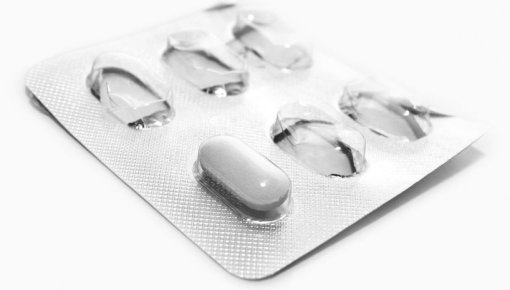
Photo of antibiotics

Antibiotics are one of the great discoveries in modern medicine. They fight and can cure life-threatening infectious diseases such as , for which there was previously no effective treatment. But the improper use of means that more and more are becoming resistant to this kind of medication. So it is especially important to use them correctly.

Antibiotics can save lives, but they also relieve symptoms of bacterial infections and help us recover faster. But treatment with also has side effects. Nausea or diarrhea are common, for example.

Antibiotics are also used far too often, and improper use is fairly widespread. This has caused many different types of bacteria to become resistant (unresponsive) to . Because has become more common, many diseases cannot be treated as well as they could in the past.

When using , it's important to know the following things to prevent and side effects:

What is antibiotic resistance?

In medicine, and other germs are said to be resistant if they are especially able to withstand exposure to external influences. An example: Most germs that enter the stomach with food will be killed by stomach (gastric) acid. But some are covered with a mucous coating that protects them from the acid. They are resistant to gastric acid.

Resistance to works on a similar principle: The have acquired a new property that protects them from the antibiotic. Some types of can produce a substance that makes certain ineffective, for example. Bacteria that can protect themselves from several different are referred to as “multiresistant.”

What causes resistance?

Many of the that are now resistant used to be sensitive to . The drugs were able to render certain types of harmless and therefore effectively stop infections. The medications could originally “disarm” certain types of and then effectively stop the . Over time and through random influences, however, the genetic material of can change. But the genetic material of can change by chance over time, sometimes creating new properties that can make the resistant to the . These kinds of properties can also be transferred from one type of to another.

If are used very often, resistant are better able to reproduce because the other non-resistant strains of are stopped and only the resistant remain. This leaves more space and nutrients to allow them to continue to multiply. Antibiotics then no longer help against infections caused by resistant .

Which bacteria are resistant and why are they dangerous?

Strains of Streptococcus and Staphylococcus are often resistant to . One example is called “methicillin-resistant Staphylococcus aureus” (MRSA). Staphylococci can be found on skin and mucous membranes and may cause – for example if they get into open wounds.

Resistant strains have now developed in other types of , such as Escherichia coli, Klebsiella and pseudomonads.

What is being done about antibiotic resistance?

In Germany, are prescription-only. This means that doctors are first and foremost responsible for careful and appropriate use. They should first see whether someone actually has a bacterial . If they do, then it's important that the antibiotic is prescribed at the right dose and for long enough, and that the right antibiotic is selected that will most effectively fight the .

There are also hygiene regulations to keep resistant from spreading further and preventable infections from occurring. These measures are especially important in hospitals. Antibiotics are used there quite frequently, so resistant germs can quickly develop. To protect yourself from these germs and prevent them from spreading, you can wear disposable gloves, a medical mask that covers your nose and mouth, and a gown. Using hand sanitizers also helps. This is especially true if you have contact with a person who is infected with resistant . This is especially important if you come into contact with someone who is infected with resistant .

Vets and farmers use too. So vets also have to comply with the rules for handling sensibly.

What can you do to prevent antibiotic resistance?

Being cautious about taking can help prevent both antibiotic and side effects.

Important:

Do not overestimate what can do: Patients often expect to be prescribed even though won't help to treat their medical problem.

Antibiotics are needed to treat serious bacterial infections like lung infections or meningitis ( of the membranes lining the brain and spinal cord). This is not the case when, for example, people who are otherwise healthy have respiratory infections caused by viruses, such as a cold or influenza (“the flu”). Antibiotics will usually be of no help here because they only fight . Antibiotics can also have side effects such as allergic reactions, stomach and bowel problems, nausea and fungal infections.

What's important to consider when taking antibiotics?

Antibiotics should be taken for as long as the doctor has prescribed them. Just because the symptoms of the illness go away, it doesn't mean that all of the germs have been killed. Remaining may cause the illness to start up again. So you should ask your doctor instead of simply stopping the treatment on your own.

If there are some tablets left over, they should not be kept for later use or given to other people. Leftover medication can be disposed of in the normal garbage or dropped off at some pharmacies. Pharmacies are not obligated to accept opened medicine though. It is important not to dispose of the medication by pouring it down the drain or flushing it down the toilet. That is bad for the environment and also contributes to bacterial .

Medications can only work properly if they are used correctly. It is important to know the following things when taking :

  • Can the tablets be broken into smaller pieces to make them easier to swallow? That depends on the specific medication. Doing this might stop some from working properly.
  • What food can you take with? Antibiotics are usually taken with water because taking them together with fruit juices, dairy products or alcohol can affect how the body absorbs some drugs. Dairy products include milk as well as butter, yogurt, and cheese. After taking an antibiotic you may need to wait for up to three hours before eating or drinking any dairy products. Grapefruit juice and dietary supplements containing minerals like may also lessen the effect of .
  • When should you take ? Some are always meant to be taken at the same time of day, others are meant to be taken before, with or after a meal. If you are supposed to take the medicine three times a day, for example, it usually needs to be taken at set times so that the effect is spread out evenly over the course of the day. An antibiotic that needs to be taken every 8 hours could be taken at 6 a.m., 2 p.m. and 10 p.m.
  • Can you take together with other medications? Because can interact with other medications, it's important to tell your doctor if you take other medications too. Antibiotics might interact with some blood thinners and antacids (heartburn medicine), for example. Some can make birth control pills less effective.

Important:

The package insert contains detailed information on the use of the antibiotic. You can ask your doctor or pharmacist if you are unsure what else to watch for when taking it.

Bundesministerium für Gesundheit (BMG), Bundesministerium für Ernährung und Landwirtschaft (BMEL), Bundesministerium für Bildung und Forschung (BMBF). DART 2020. Abschlussbericht. 2022.

Centers for Disease Control and Prevention (CDC). About Antimicrobial Resistance. 2025.

Deutsche Gesellschaft für Infektiologie (DGI). S3-Leitlinie Strategien zur Sicherung rationaler Antibiotika-Anwendung im Krankenhaus (in Überarbeitung). AWMF-Registernr.: 092-001. 2019.

Kayser FH, Böttger EC, Deplazes P et al. Taschenlehrbuch Medizinische Mikrobiologie. Stuttgart: Thieme; 2022.

World Health Organization (WHO). Antimicrobial resistance. 2023.

IQWiG health information is written with the aim of helping people understand the advantages and disadvantages of the main treatment options and health care services.

Because IQWiG is a German institute, some of the information provided here is specific to the German health care system. The suitability of any of the described options in an individual case can be determined by talking to a doctor. informedhealth.org can provide support for talks with doctors and other medical professionals, but cannot replace them. We do not offer individual consultations.

Our information is based on the results of good-quality studies. It is written by a team of health care professionals, scientists and editors, and reviewed by external experts. You can find a detailed description of how our health information is produced and updated in our methods.

Comment on this page

What would you like to share with us?

We welcome any feedback and ideas - either via our form or by gi-kontakt@iqwig.de. We will review, but not publish, your ratings and comments. Your information will of course be treated confidentially. Fields marked with an asterisk (*) are required fields.

Please note that we do not provide individual advice on matters of health. You can read about where to find help and support in Germany in our information “How can I find self-help groups and information centers?

Über diese Seite

Updated on December 11, 2025

Next planned update: 2028

Publisher:

Institute for Quality and Efficiency in Health Care (IQWiG, Germany)

Stay informed

Subscribe to our newsletter or newsfeed. You can find our growing collection of films on YouTube.