
Injections, suppositories and other dosage forms
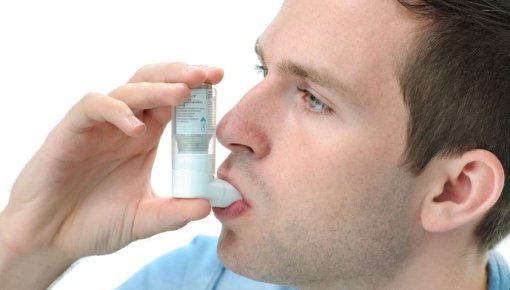
Photo of a man inhaling medicine

Medications are supposed to reach the part of the body they are intended to affect. So manufacturers choose a suitable dosage form when they produce the medication. Tablets and ointments are just two of the many different possible dosage forms.

There are many different types of medication available: It can be swallowed in tablet or juice form, whereas other products are applied to the skin as creams or gels. The dosage form depends on various things, including what physical and chemical properties the medication has and where in the body it should have an effect. Medicine that should affect the lungs can be breathed in, for example. Medication for treating a vaginal can be inserted using a vaginal suppository. Medicines that are absorbed into the body through the mucous membranes lining the mouth can also be taken in the form of chewing gum. One well-known example is nicotine gum for helping to quit smoking.

Injections

In injections, the active ingredients are first dissolved in a liquid. The medication is then often injected into a vein (intravenous, IV) if it’s supposed to have as fast an effect as possible, for instance in an emergency. If the medication is supposed to have a slower effect or if it shouldn’t enter the bloodstream directly, it can also be injected into a muscle (intramuscular, IM) or into fat tissue beneath the skin (subcutaneous, SC).

Some medications have to be injected: otherwise, they would break down in the stomach or bowel. Insulin is one example. Most vaccines also have to be injected for this reason. Many injection solutions only keep for a short time after they are opened if they’re not cooled.

Hygiene is especially important when dealing with injection solutions, syringes and needles. They need to be kept free of germs (sterile) because germs could easily enter the body otherwise. They need to be disposed of safely after use to avoid injury.

Infusion therapy

Infusions (also called drips) involve having a tube placed into the body to administer the medication in liquid form. Infusions are used when they are the best or only way to steadily administer a drug or a liquid to the body for a certain period of time. To prevent germs from reaching the bloodstream, hygiene is very important when administering infusions as well.

Intravenous therapy

Intravenous therapy is used to administer a medication into a vein (through a venous ). A venous may also be important when medications need to enter the bloodstream quickly in an emergency. This is why doctors use a venous for reasons of safety in many surgical procedures.

Port catheter systems

When people are given infusions repeatedly over a longer period of time, port systems can also be used. These kinds of ports are also called implanted ports or port-a-caths. They have a flat container with a thin tube, and are implanted under the skin in a minor surgical procedure, typically near the collarbone. The container can be refilled by injecting the medication through the skin and into the container using a syringe. It then slowly releases the medication, which travels along the tube into a vein. Port systems can remain under the skin for several weeks, where they are protected from . They’re used in chemotherapy for cancer, for example.

Epidural and spinal anesthesia

A special form of infusion is called epidural anesthesia. An anesthetic is injected into the epidural space using a . The epidural space is the gap between the dura mater (outer membrane surrounding the spinal cord) and the spinal column. The anesthetic numbs the nerves, stopping the transmission of touch and pain signals to the brain.

Here a is inserted into the epidural space and anesthetics can then be given repeatedly through the as needed, without having to use a syringe every time. Pain-relieving infusions can also be administered in this way – for example, to reduce labor pain during childbirth.

This simplified anatomical illustration shows epidural anesthesia in a pregnant woman: general location on the left, detailed view on the right.

Spinal anesthesia (partial anesthesia) works a little different: The medication is injected with a needle closer to the spinal cord than with an epidural – more precisely into the fluid-filled space surrounding the spinal cord (cerebrospinal fluid space). causing the lower half of the body to feel numb.

Depot (slow-release) implants and injections

Depot implants are made of foreign material that is put into the body, and remains there for a longer time to continuously release medication. When the effect weakens, the implant is removed or it dissolves. This approach enables the drug to have a steady effect over several months. One example is a hormonal contraceptive implant.

In depot injection, a medication is injected under the skin or into muscle tissue, and the active ingredient is only gradually released. This can be achieved by mixing the active ingredient with oils or special salts that the body can only break down slowly. Examples of depot injections include longer-acting insulin, depot steroid injections and the three-month contraceptive injection.

Suppositories

Some medications can be inserted into the anus (rectal) as a suppository. Suppositories consist mainly of a solid fat that melts at body temperature. They may have active ingredients that are meant to have an effect specifically in that area. But medication can also be applied rectally to treat other parts of the body. Then the active ingredients are absorbed by the lining of the bowel and transported through the bloodstream. Suppositories are often chosen if taking oral medication is difficult, for example in cases of vomiting. Suppositories are also suitable for children who have a fever and do not want to or are unable to take tablets.

Vaginal suppositories are inserted into the vagina to treat things like inflammations or fungal infections there. They dissolve in the vagina to release their active ingredients there. Some tablets and ointments can also be administered vaginally. They usually come with a plastic insertion aid (applicator).

Drops, ointments and sprays for the eyes, ears and nose

Some medications come in the form of drops. These can be applied, for example, directly to the eye or ear to treat things like eye or ear infections. Ear drops should not be too cold when applied because they might cause pain or dizziness otherwise. Besides eye drops, eye ointments and gels can be applied to the inside of the lower eyelid. It is especially important to keep eye medications germ-free.

Nasal drops and sprays can be used in the short-term treatment of colds and allergies. Either a certain number of drops are put into the nose using a pipette, or a specific amount of the medication is sprayed into the nose. It’s important to keep the pipette (dropper) squeezed when removing it from the nose, so that the medication is not contaminated by nasal discharge.

Inhalants

Medications that are breathed in (inhaled) can be a good idea if they are to have an effect directly in the lungs. Many asthma medications are available as sprays that are inhaled, for example. Because the lungs have such a good blood supply, though, medications that are meant to have an effect throughout the body can also be breathed in. One well-known example is general anesthesia, where the anesthetic is breathed in through a mask.

When a liquid or solid active ingredient is finely suspended in air or another gas, the mixture is called an aerosol. Aerosols can be applied using medical devices such as metered dose inhalers. These finely disperse the drug and combine it with a propellant gas. This is how you use it: breathe out, close your lips around the mouthpiece, press the spray activation (puff) and then at the same time breathe in deeply. The finer the liquid or powder is dispersed, the deeper it can enter the lungs. It is important to regularly clean the device thoroughly because it always comes into contact with the inside of the mouth, and possibly with germs.

Substances like essential oils can also be breathed in using hot steam, for example to relieve cold symptoms. Hot water allows the oils to vaporize more quickly, increasing their effect on the mucous membranes.

Friedland J. Arzneiformenlehre für PTA. Stuttgart: WVG; 2013.

Hein L, Fischer JW. Taschenatlas Pharmakologie. Stuttgart: Thieme; 2019.

Herdegen T. Kurzlehrbuch Pharmakologie und Toxikologie. Stuttgart: Thieme; 2024.

Kretz FJ, Reichenberger S. Medikamentöse Therapie. Arzneimittellehre für Gesundheitsberufe. Stuttgart: Thieme; 2007.

Plötz H. Kleine Arzneimittellehre für Fachberufe im Gesundheitswesen. Heidelberg: Springer; 2017.

Pschyrembel Online. 2025.

IQWiG health information is written with the aim of helping people understand the advantages and disadvantages of the main treatment options and health care services.

Because IQWiG is a German institute, some of the information provided here is specific to the German health care system. The suitability of any of the described options in an individual case can be determined by talking to a doctor. informedhealth.org can provide support for talks with doctors and other medical professionals, but cannot replace them. We do not offer individual consultations.

Our information is based on the results of good-quality studies. It is written by a team of health care professionals, scientists and editors, and reviewed by external experts. You can find a detailed description of how our health information is produced and updated in our methods.

Comment on this page

What would you like to share with us?

We welcome any feedback and ideas - either via our form or by gi-kontakt@iqwig.de. We will review, but not publish, your ratings and comments. Your information will of course be treated confidentially. Fields marked with an asterisk (*) are required fields.

Please note that we do not provide individual advice on matters of health. You can read about where to find help and support in Germany in our information “How can I find self-help groups and information centers?

Über diese Seite

Updated on December 11, 2025

Next planned update: 2028

Publisher:

Institute for Quality and Efficiency in Health Care (IQWiG, Germany)

Stay informed

Subscribe to our newsletter or newsfeed. You can find our growing collection of films on YouTube.